
Hello y’all! Dr. Lado here! We are diverting a bit from our usual topic to address the pressing issue of surging cases of HIV/AIDS cases among young adults in Malawi. This time ‘round, there’s a need to dive into reports from Malawian media, spotlighting a concerning trend highlighted by the National AIDS Commission (NAC).
In one article from The Nation, citing NAC data, HIV infection rates are skyrocketing, particularly amongst university students, notably in Lilongwe and Blantyre. This isn’t just speculation; it hits close to home. Just last week, a freshman from a prominent university in Blantyre visited a clinic I occasionally work at, reeling from a recent HIV diagnosis after her partner contracted the virus from another woman. Still in shock, she sought more information about her condition; and we discussed HIV, as I will with you all.
As we all know, HIV (Human Immunodeficiency Virus) remains a global health threat, affecting millions worldwide and leading to countless medical and socioeconomic challenges, regardless of borders. It’s a reminder that HIV doesn’t discriminate, affecting young people disproportionately, especially young women aged 15-24, who often face risks due to age disparities, multiple partners, preference from older men and unprotected sex. Moreover, as per prior discussions, prior or current history of STDs are some of many risk factors.
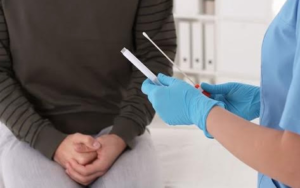
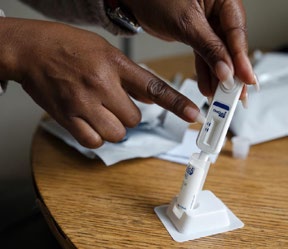
To address these populations means a likely decrease in spread. As most know, the symptoms of HIV are vast, ranging from benign flu-like symptoms to debilitating cancers and opportunistic infections. While treatments like Malawi’s 13A guidelines and rapid testing kits (oral testing kits are just as accurate too!) offer hope, prevention reigns supreme.
Knowing your status early, when becoming sexually active or with a new partner, is crucial.
Protection during intercourse is a non-negotiable in my books as is spur of the moment testing. As for our newly diagnosed patient, she’s empowered with knowledge and on the path to reclaiming her health and future. So, let’s prioritize safety, protection, and early testing. Until next time, stay safe, stay informed!
Sources:
For more information, you can visit
- The Malawi Ministry of Health website (hiv.health.gov. mw)
- The Lighthouse Trust (www. mwlighthouse.org),
- The National AIDS Commission (www.aidsmalawi.org.mw)
- The World Health Organisation (https://www.who.int/newsroom/fact-sheets/detail/hivaids)
Article sources:
- Fauci, A. S. et al. Harrison’s Manual of Medicine, 21st ed., pp. 1057-1074), McGrawHill Education
- Centers for Disease Control, Divisions of HIV/AIDS Prevention, 2023. www.cdc.gov/ hiv/stats.htm
- https://www.nyasatimes.com/nac-callsfor-more-awareness-on-hiv-and-aids/
- https://af ricabrief.substack.com/p/ malawi-rallies-joint-efforts-to-curb
- https://mwnation.com/nac-links-hivspread-incities-to-varsities-colleges/