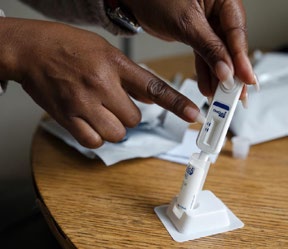
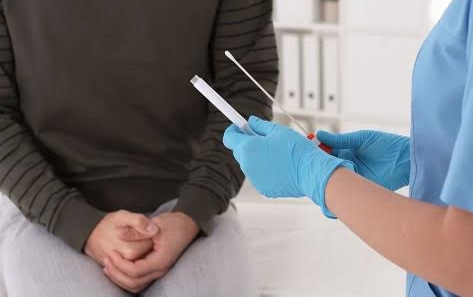

Hello again, y’all! It’s Dr Lado here, we are continuing with our series on STDs (sexually transmitted diseases) in this issue. Today’s spotlight is on chlamydia (kl-uh-mid-ee-ah), euphemistically called ‘the clam’. A rapidly surging disease needs addressing especially if you’re young and active. Now, it’s a very common STD with infertility as a complication, but also very curable! I had a patient we will call Timothy*, who came to our centre, worried he contracted something having engaged in a risky tryst sans protection. Cue an abnormal greenish discharge and pain with urination. Fear not, I sat him down and actively listened to him, explained the potential diagnoses and ran the appropriate tests. But before we delve into his case, let’s quickly gain an understanding of what chlamydia is.
Chlamydia is what we call a gram-negative microorganism, there are multiple versions of it, but most commonly known is C. trachomatis. It infects multiple organs but is usually associated with infections of the genital area. It spreads through sexual contact in majority of cases, usually penetrative intercourse. Moreover, it mostly affects sexually active young adults. ‘Course, much like most STDs, it can hitch a ride from mother to fetus too.
Now, chlamydia attacks the cells within the urethra before causing inflammation leading to an initial discharge. This causes women to usually present with a yellowish (and sometimes green!) discharge, pain with urination and with sex, and a fever. However, statistically 80% of women are asymptomatic. With men, it’s pretty much the same, however, they may have scrotal pain and swelling.
So, as for treatment, antibiotic therapy is 95% effective for first-time therapy, but, the trick is catching it early. Take Timothy for example – 7 days doxycycline is the mainstay of therapy; followed by monitoring for change. The kicker being, if undiagnosed, it may progress to pelvic inflammatory disease (PID) and eventually relative/absolute infertility from scarring & inflammation of the fallopian tube in women. So, catch it early, y’all!
So, let’s make sure prevention is key! Screening for chlamydia is necessary if sexually active and 24 & below with at risk pregnant moms. Condoms for everyone! Know your partner’s history like your Netflix queue and you’ll be good!
Until next time, stay safe, stay healthy!
Names have been changed to protects the patients real identities