
Music is a form of art and cultural expression that combines sound and rhythm to evoke emotions, convey messages, and create experiences. For decades, the vibrant beats of Malawi’s music scene have echoed predominantly in the familiar cadences of Chichewa, the national language, and the lingua franca of English, leaving the dulcet tones of Tumbuka and other indigenous languages languishing in the shadows of neglect.
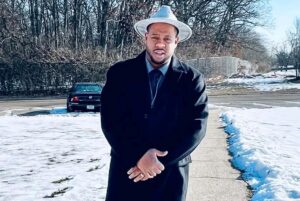
Remembering the trailblazing efforts of artists like Wambali Mkandawire, whose Tumbuka Jazz tunes resonated with diverse audiences, and Stanley Nyandolo, whose Sena songs captured hearts, these daring musicians are now an inspiration to the emerging artists who are tuning their chords to resurrect the forgotten rhythms of Tumbuka, heralding a new era of linguistic diversity in Malawi’s music scene.
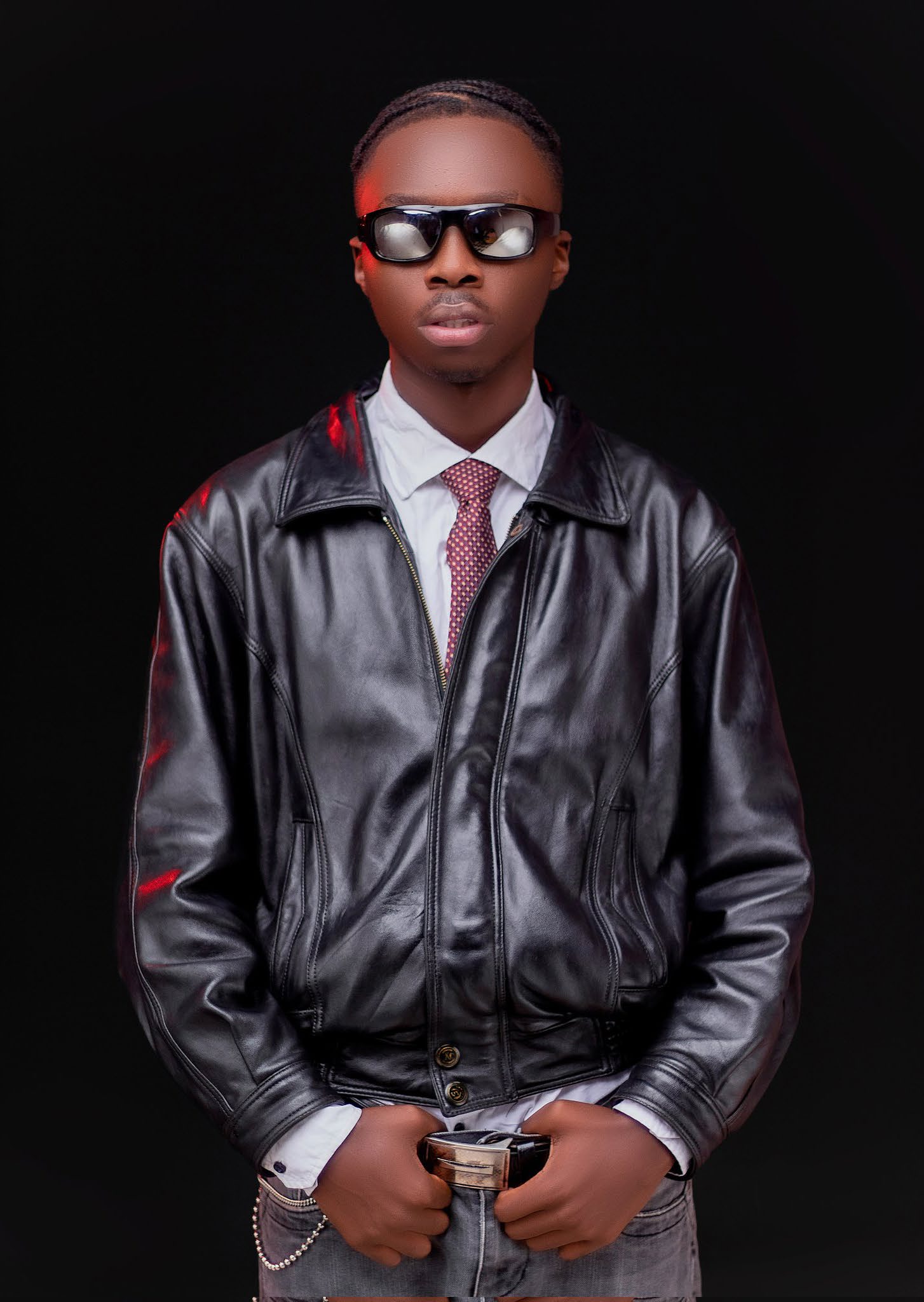
Take for instance, Merchah an afro pop musician of Naji fame says tumbuka chose him. He is tumbuka by tribe and it was easy to compose in his own language. Merchah laments that it was not an easy ride considering that his style was not something many people were not used to. He thinks modern ways of publicising songs should be utilised by all artists. “The use of social media platforms such as tik tok have helped a lot and is recommendable for artists to use such platforms. Otherwise, boundaries do not determine art,” he said. Merchah recently collaborated with Namadingo on a track called Obeba which has attracted many tik tik users and got a lot of views on YouTube.
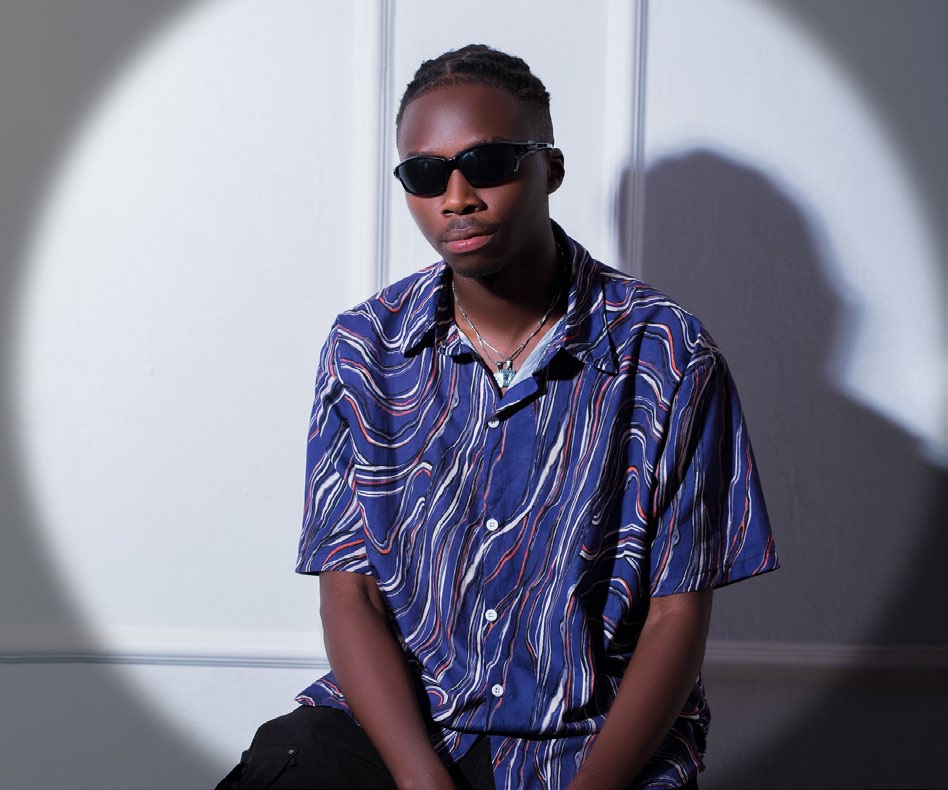
He is optimistic that the future is bright and will release more songs. Wakisa James, another artist born and bled in Northern Malawi and has also done a number of songs in Tumbuka thinks music is a universal language that transcends boundaries and connects people across diverse cultural backgrounds. The ‘misonzi’ artist further observed that music done in tumbuka helps artists standout in music industry by offering a distinctive and meaningful sounds to both local and global audience which values cultural authenticity and diversity. “I don’t think using ones language limits your audience because it depends on your artistic goals.
There’s a lot of audience on both local and international scene that values linguistic and cultural diverse sound. For instance, we have seen how music from other countries done in their local language are celebrate in other countries,” he said. In case you miss him, he is currently in the studios cooking up some tracks and cannot wait for his fans to hear what he has been working on lately. Weighing in on the matter, arts and culture enthusiast, Zamuel ‘Schuwaker’ Chiwaka said singing in new languages brings many learning opportunities – from pronounciation to understanding the nuances of the language. Chiwaka who used to manage Faith Mussa described art as something which has no boundaries citing that Nigerian artists are an example that singing in local languages is not a barrier.

“I would advise the Northern corridor to stick to originality and express their art in the language they’re comfortable in. Now is their time to stand up and be proud of being tumbuka artists,” he said. As the debate over language in music continues, it’s clear that artists are being urged to follow their hearts and express themselves in the languages they are most comfortable with. While the industry may have favored certain languages in the past, the tide seems to be shifting towards authenticity and personal connection. As music transcends borders and cultures, perhaps it’s time for artists to embrace their linguistic roots, fostering deeper connections with their audiences and enriching the global musical landscape in the process.