
You may have heard him and sang along to the lines, “Ngati nkhani ili kupita, ma ma ma, mwina nzayambe ndine.” But probably had to struggle to get your vowels right on Ningenjelwanga.
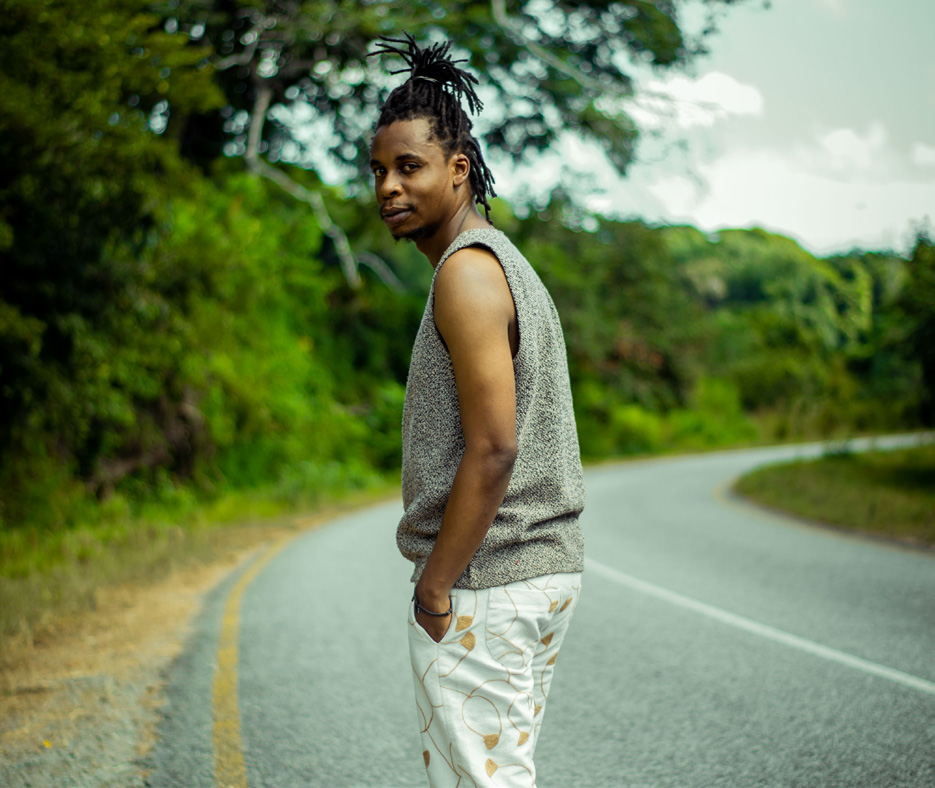
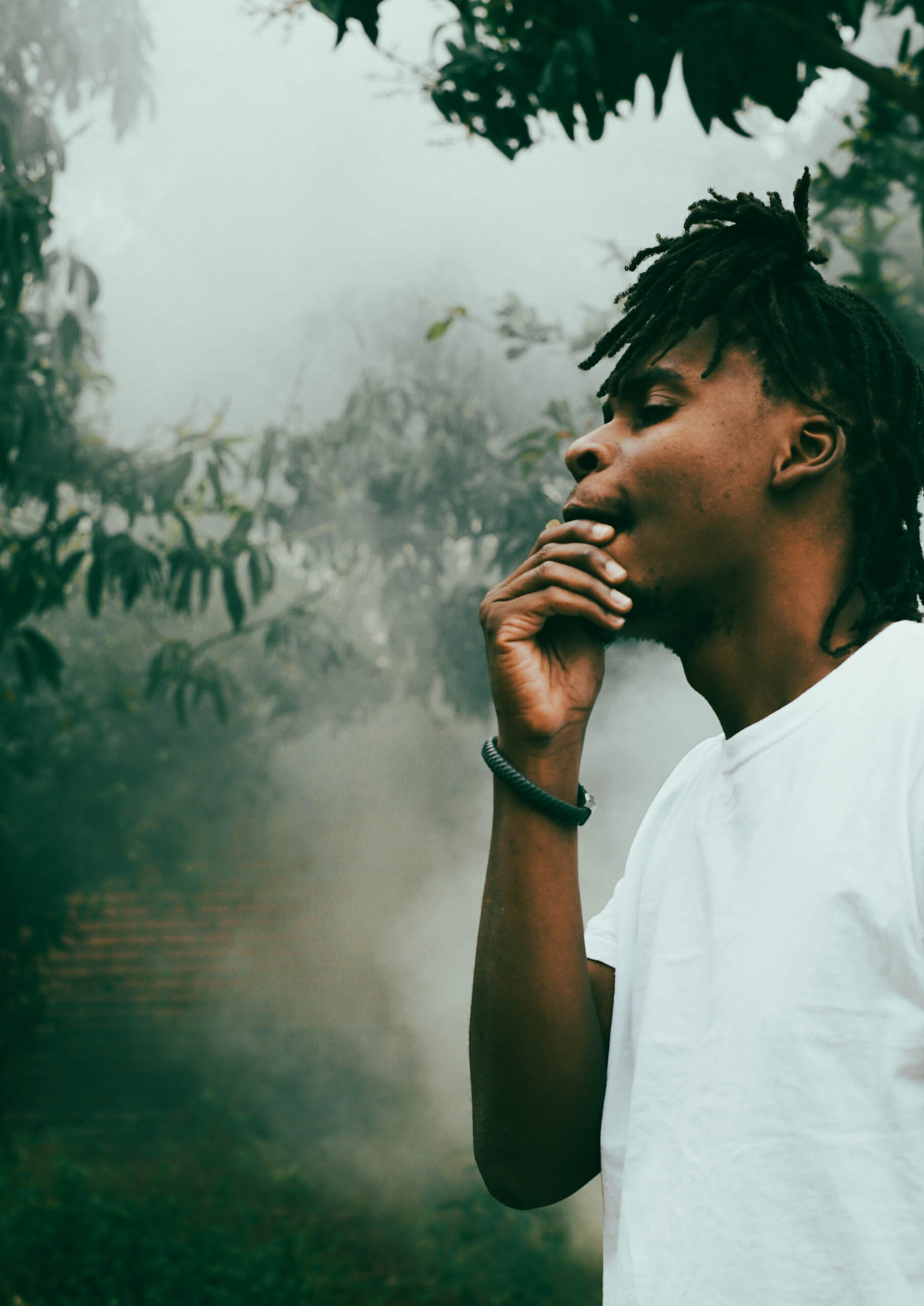
The man behind the song is Tawanda, known as Twanda or Swisha when he is doing music. The first time I spoke to Tawanda about music was in 2018 or 2019 that’s why when Ningenjelwanga came out, I was immediately interested. I managed to catch up with him, and he told me all about his latest projects, which includes an E.P for summer. Here is how it went down.
Let’s start with talking about your name change. In the previous years used the name Swisha, but recently, you are using Tawanda, have you changed names? And would you say your music has changed since 2019?
I can’t really say I have changed names but that I have just adopted my actual name as a stage name and once in a while I still revert to Swisha when I rap and do other things. I think my music is always changing and growing as I do, because I don’t really just do one specific type of thing.
While Ningenjelwanga has grown momentum since it came out, it is not your first project, how many projects do you have so far since you started doing music?
I have two full projects that I have previously worked on, one of them was Family Ties that I did with Amaro, and the second one was a compilation tape called African Love Story, which we wanted to make into an album but did not manage to do so but did manage to get on Spotify with the help of my friend Mtamandani Kalonga. This was my first content to appear on Spotify.
You have new single out called ‘Manyazi’ which is also available on Spotify, what else are you cooking?
Currently, I am working on several new projects that I want to release in a year or two, but this year I am working on a very interesting tape but won’t say much about just yet. Apart from that I have also been busy with a few solo shows happening across the country.
Back to Ningenjelwanga, you have indicated on your Spotify that your music is an exploration of ‘love, grief, joy, pain, and other themes drawing from real life experiences; what is the story behind the song?
The story is actually quite funny and goes back to 2010. The song is about friendship and a dedication to my best friend Tapiwa who I met back then. Wgen we met, she told me that she had a middle name that she found embarrassing but she didn’t share the name. About eight years later, she had a Twitter handle and she had this phrase ‘Ningenjelwanga’ on her Twitter and I thought it was her name. So when I was thinking of doing a song about friendship, I thought that that would be a perfect name for that. But it turned out turns out that it wasn’t even her actual name, it was just a phrase that her mother liked to use. It’s a Tumbuka phrase, which means ‘I will not worry’. But it did stick and turned out to be a very good title for the song.
That is a very interesting story about the song, I also remember you hinted about video plans for the song. Where is that plan as of now?
Well, the music video for Ningenjelwanga was something that we were actually set on doing, but one of the sponsors pulled out. So, as of now, we can say that the music video is on hold until we get another sponsor.
Now coming back to you as an artist, what challenges are you facing and you think other artists continue to face?
Well, I think every musician has sung this song. The first one is value. People don’t value art as much and they don’t pay as much. So, you find that many people will come and go in the art industry because they want something that can sustain them in the long run and something that is realistic enough. So, people stop doing art and get jobs. And for those who want to do both, like I do, you usually end up sacrificing a lot. You make money from your job and you have to invest in the art and in the end, people can’t see your personal growth, (no lunches, no vacations, no car). And the second challenge is clarity. There’s usually no clear access on how we can get our content on media platforms. The platforms themselves exist, but how to get our content out there is not usually as clear-cut as we want it to be. So usually you end up with a product, but can’t take it to the market. And then there’s the issue of exploitation. You find that a lot of Malawians want to exploit you before they can help you.
So, if somebody was to get into the music industry, what advice would you give them?
If you’re doing something and you want to get the best out of it, don’t stop. I have been doing music since 2010, and I have seen people come and go, and sometimes people look at art as something you can sacrifice for something else, so my advice is don’t look at art like that. You must not stop, continue doing it constantly, and think of it as a marathon, not a sprint, because if you give up, it will never happen.
Now before we wrap up, are there any Malawian artists that you’d like to work with in the future?
As of this year, I am doing a lot of features, with both mainstream and underground artists, so that I can explore other sides of musicality of myself, but also to give attention to different artists, so people should be expecting a different style of music when I’m working on these features, but also a more grounded and familiar sound when I am doing my solo projects.
Tawanda’s music is available on Spotify and its music for the soul because as he himself says ‘What are we if we are not real?’